



Address:

What Are the Different Types of Dry Eye?
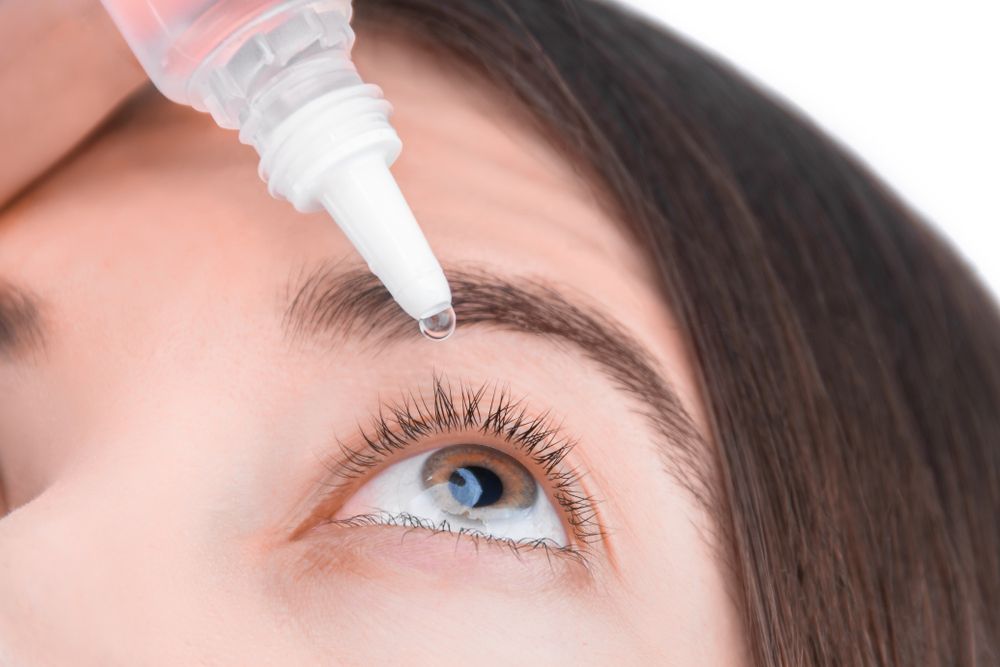
Dry eye is a common condition that affects millions of people, especially in urban environments like Los Angeles where screen use, air conditioning, and air quality can take a toll on eye comfort. While many people think of dry eye as a single problem, there are actually different types of dry eye, each with its own causes and treatment approaches. Understanding which type you may have is the first step toward long-lasting relief.
Aqueous Deficient Dry Eye
This type of dry eye occurs when the eyes do not produce enough tears to keep the surface of the eye properly lubricated. Tears are essential for maintaining eye health, washing away debris, and providing clear vision.
Common causes include aging, certain autoimmune conditions, hormonal changes, and side effects from medications such as antihistamines or antidepressants. People with aqueous deficient dry eye often experience persistent dryness, irritation, redness, or a gritty sensation.
Evaporative Dry Eye
Evaporative dry eye is the most common form of dry eye and occurs when tears evaporate too quickly from the surface of the eye. This is often linked to dysfunction of the meibomian glands, which produce the oily layer of the tear film that helps prevent evaporation.
Extended screen time, infrequent blinking, contact lens wear, and environmental factors like wind or dry indoor air can all worsen evaporative dry eye. Symptoms may include burning, fluctuating vision, eye fatigue, and sensitivity to light.
Mixed Dry Eye
Many patients experience a combination of both aqueous deficient and evaporative dry eye. This is known as mixed dry eye and can be more challenging to manage without professional care. Because multiple factors are involved, treatment often requires a customized approach that addresses tear production, tear quality, and eyelid health.
Inflammatory Dry Eye
Inflammation plays a significant role in many cases of chronic dry eye. Inflammatory dry eye can develop as a result of untreated dryness, underlying health conditions, or long-term irritation of the ocular surface.
Symptoms often include redness, stinging, burning, and sensitivity that does not improve with over-the-counter artificial tears alone. Treating inflammation is key to breaking the cycle of discomfort and preventing long-term damage.
When Should You See Your Eye Doctor?
Occasional dryness may improve with blinking more often or using artificial tears, but persistent or worsening symptoms should not be ignored. You should schedule an eye exam if you experience ongoing dryness, irritation, blurred vision that comes and goes, eye pain, or redness that does not improve.
An eye doctor can determine the specific type of dry eye you have using advanced diagnostic tools and develop a personalized treatment plan. Early treatment not only improves comfort but also helps protect your long-term eye health and vision.
Take the Next Step at Los Angeles Vision Center
Dry eye is not a one-size-fits-all condition. With multiple types and contributing factors, effective treatment depends on an accurate diagnosis and targeted care. Understanding the differences between dry eye types empowers patients to seek the right solutions and avoid unnecessary frustration.
If you’re experiencing dry, irritated, or tired eyes, Los Angeles Vision Center is here to help. Schedule a consultation to identify the root cause of your dry eye and receive a customized treatment plan. Visit our office in Los Angeles, California, or call (323) 934-2020 to book an appointment today.

Office hours
- Monday 9:00am - 5:00pm
- Tuesday 8:00am - 4:00pm
- Wednesday 9:00am - 5:00pm
- Thursday 8:00am - 4:00pm
- Friday 9:00am - 5:00pm
- Saturday Closed
- Sunday Closed
© 2026 Los Angeles Vision Center. All rights Reserved - Accessibility Statement - Privacy Policy - Sitemap
Powered by
